



Neck pain has a way of interfering with nearly everything, from turning to check a blind spot while driving to simply getting comfortable enough to fall asleep at night. For many people, the discomfort fades within weeks. For others, it lingers stubbornly, resisting rest, stretching, and over the counter remedies alike. When that happens, it is worth understanding what real options exist beyond simply living with it.
Chronic neck pain often stems from a combination of factors, including disc degeneration, nerve irritation, prior injury, or postural strain accumulated over years of daily wear. Identifying the underlying driver matters, because treatment that works beautifully for muscular tension will not necessarily help nerve related pain, and the reverse is equally true.
The First Line of Treatment
Most neck pain responds well to conservative management. A typical approach includes physical therapy to restore mobility and strength, short courses of anti inflammatory medication, and activity adjustments to reduce ongoing strain. Functional medicine principles, which examine nutrition, inflammation, and overall lifestyle, can also play a meaningful supporting role in recovery.
These foundational steps work well for the majority of people experiencing neck discomfort. Specialists generally recommend giving conservative care adequate time, often several months, before considering more advanced interventions. Patience during this early phase is genuinely worthwhile and often prevents unnecessary procedures later.
When Standard Treatment Isn’t Enough
Some neck pain, however, proves resistant to every conventional approach. This is particularly true for patients dealing with nerve related pain or those who have already undergone neck surgery without achieving lasting relief, sometimes called Failed Neck Surgery Syndrome. For this group, repeating surgery rarely solves the underlying problem.
Instead, advanced neuromodulation therapies offer a reversible, non destructive alternative. These treatments work by interrupting pain signals using gentle electrical pulses or targeted medication delivery, rather than altering anatomy permanently. Crucially, every implantable option begins with a temporary trial, meaning patients genuinely test the therapy before committing to anything permanent.
Exploring Spinal Cord Stimulation for Neck Conditions
Spinal Cord Stimulation places small, medical grade leads near the spinal cord, where they emit a gentle electrical field that masks pain signals before the brain perceives them. For patients with persistent neuropathic pain following neck surgery, or those experiencing complex regional pain syndrome affecting the upper body, this therapy offers a structured pathway toward relief.
The process always begins with a five to seven day trial period using an external device. If patients experience significant relief during this window, typically greater than fifty percent improvement, the conversation moves toward a permanent implant. This stepwise approach ensures nobody commits to surgery without first confirming the therapy genuinely works for their specific pain pattern.
Peripheral Nerve Stimulation as a Targeted Option
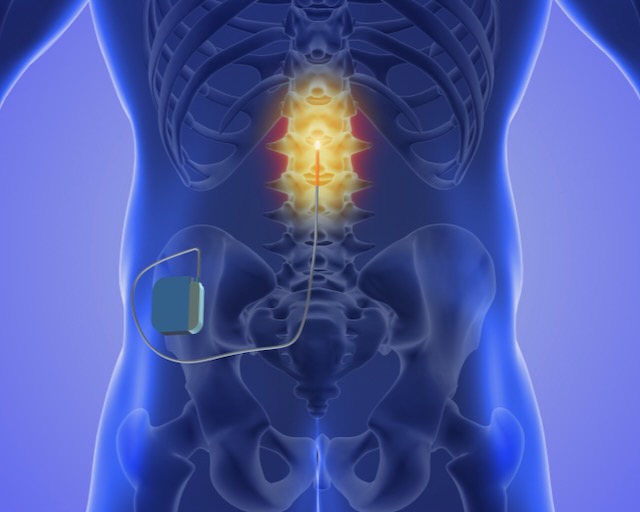

For neck pain rooted in specific peripheral nerves, particularly occipital nerve related headaches originating near the base of the skull, Peripheral Nerve Stimulation provides a remarkably minimally invasive alternative. Performed as an outpatient, same day procedure, a microscopic wire is placed precisely next to the affected nerve through a small needle, avoiding major surgery entirely.
This option has proven especially effective for:
- Occipital neuralgia and related headache syndromes
- Localized neuropathic pain in the upper extremities
- Pain following prior neck or shoulder procedures
- Cases where patients wish to avoid open surgery altogether
Why Functional Medicine Complements Interventional Care
Pain rarely exists in isolation from the rest of the body. Inflammation, poor sleep, and nutritional deficiencies can all amplify how intensely pain is experienced. A comprehensive approach that combines functional medicine with interventional procedures often produces better, more sustainable outcomes than either strategy used alone.
This is why a truly comprehensive pain center evaluates the whole patient rather than treating an isolated symptom. Addressing sleep quality, inflammation, and lifestyle factors alongside any procedural treatment tends to support longer lasting improvement overall.
What Patients Should Expect During Evaluation
- A thorough review of prior treatments, imaging, and surgical history
- Discussion of how pain affects daily function, work, and sleep quality
- Consideration of whether conservative care has been adequately attempted
- Education about trial based therapies before any permanent decision
- A personalized plan combining the most appropriate treatment options
The Importance of Specialized Experience
Dr. Hemant Kalia has served patients throughout Rochester, Monroe County, and Upstate New York since 2007, building extensive experience in interventional pain and neuromodulation. His credentials include an ACGME accredited Pain Medicine fellowship and FIPP certification from the World Institute of Pain, representing the gold standard in interventional pain credentialing nationally.
His involvement in shaping national consensus guidelines, including work with the NEURON Group on neurostimulation standards, ensures that treatment recommendations are grounded in current research rather than outdated assumptions about chronic pain management.
Taking the Next Step
Living with chronic neck pain that resists conventional treatment can feel discouraging, especially after multiple failed attempts at relief. However, the landscape of pain medicine has changed considerably, offering reversible, evidence based options that simply did not exist in years past. From physical therapy through advanced neuromodulation, there is a structured pathway suited to nearly every presentation of chronic pain.
If your neck pain has persisted despite consistent effort, a comprehensive evaluation can help identify which pathway fits your specific situation best. Many patients who also experience low back pain alongside neck discomfort find that addressing both conditions through the same integrated, evidence based framework leads to more complete, lasting relief overall.


