


Quick Answer: Personal care assistance is hands-on support with activities of daily living (ADLs) including bathing, dressing, grooming, toileting, transfers, and mobility. It is provided by trained home care aides in the senior’s home, and it differs from companion care (social support only) and skilled nursing (clinical medical care). Most seniors begin needing personal care after a health event, gradual functional decline, or a fall that reduces confidence or mobility.
There is a specific kind of family meeting that no one schedules in advance. It happens when an adult child walks into their parent’s home during a visit and notices something they cannot quite name at first. The bathroom has a smell that was not there before. There is dried food on the stovetop. The parent is wearing the same clothes they had on last visit, and their hair is not brushed. The house is warm but the parent seems cold.
Nothing catastrophic has happened. But something has shifted, and the family knows it. Most of the time, what has shifted is a parent’s ability to manage their own physical care without help.
This is the point where personal care assistance becomes relevant. It is not a dramatic intervention. It is structured, dignified support for the daily physical tasks that keep a person clean, healthy, fed, and safe in their own home.
What Activities of Daily Living Does Personal Care Assistance Cover?
Activities of daily living (ADLs) is the clinical term for the basic self-care tasks that define functional independence. Personal care assistance addresses all of them.
Bathing and Hygiene
This is the ADL that families most often identify as the first to become problematic. Getting in and out of a tub or shower requires balance, strength, and coordination that decline with age, particularly after a fall or neurological event. Many seniors who are physically capable of bathing independently simply stop doing it because they are afraid of falling when no one is home.
Personal care aides assist with shower transfers, bathing technique, and post-bath grooming. They use adaptive equipment and transfer techniques that reduce fall risk while preserving as much independence as the senior can safely manage.
Dressing and Grooming
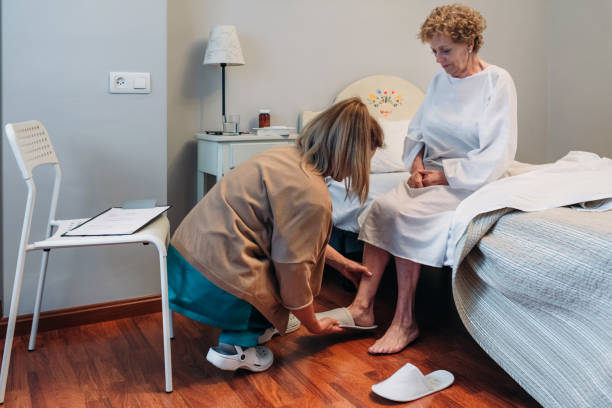
Fine motor tasks like buttoning, zipping, and managing fasteners become genuinely difficult with arthritis, tremor, or reduced hand strength. Reaching the feet for sock and shoe application is difficult for anyone with hip replacements, back pain, or limited flexibility. Personal care aides assist with these tasks in a way that works around physical limitations without taking over entirely.
Grooming assistance includes hair care, shaving, nail care (basic maintenance, not medical podiatry), and oral hygiene support. These tasks matter more than families sometimes assume because maintaining a tidy, groomed appearance is directly tied to a senior’s sense of dignity and self-regard.
Toileting and Incontinence Management
This is the ADL that families discuss least and that causes the most distress for seniors. Incontinence affects approximately 33% of older adults living at home and is a leading reason for nursing home placement. When managed properly with scheduled toileting assistance, appropriate incontinence products, and dignity-centered care practices, it is entirely manageable at home.
Personal care aides are trained to approach this aspect of care matter-of-factly and without making the senior feel embarrassed. The relationship between caregiver and senior in this area is built over time and requires consistency of caregiver assignment, which is why turnover in home care agencies is a practical quality metric worth asking about.
Transfers and Mobility Assistance
Transfers are movements from one surface to another: bed to wheelchair, wheelchair to toilet, chair to standing. They are among the most physically risky moments in a frail senior’s day and a common source of both caregiver injury and client falls.
Personal care aides trained in safe transfer techniques use body mechanics and adaptive equipment to execute these movements safely. For seniors with Parkinson’s disease, stroke recovery, or significant weakness, proper transfer technique is not optional, it is a daily clinical necessity.
Meal Preparation for Seniors
Preparing nutritious meals requires cognitive planning, physical ability, and the motivation to cook. All three can decline independently. A senior with early dementia may forget they have not eaten. A senior with severe arthritis may be physically unable to operate kitchen equipment safely. A depressed senior may simply not see the point of cooking. Meal preparation for seniors as part of personal care services addresses all of these scenarios with practical, consistent support.
How to Know When a Senior Needs Personal Care Assistance
The transition from managing independently to needing help with ADLs is rarely a single event. It is a gradual accumulation of limitations that families often accommodate informally before recognizing that a structured solution would serve everyone better.
These are the clearest indicators that personal care assistance has become necessary:
A recent fall or near-fall: Falls are the leading cause of injury in adults over 65. A fall that did not cause serious injury is a strong signal that the environment and physical support structure around the senior needs to change. Personal care aides provide hands-on supervision of high-risk activities and reduce fall frequency in seniors with mobility challenges.
Visible decline in personal hygiene: Body odor, unwashed hair, soiled clothing, or dental neglect that a family member notices before the senior does is a clear ADL gap.
Post-hospital or post-surgery recovery: Discharge from hospital or a surgical procedure almost always creates a temporary but significant personal care need. Personal care assistance during recovery prevents complications, rehospitalization, and the functional decline that frequently follows hospitalization in older adults.
A caregiver’s injury or illness: When a spouse or adult child who has been providing informal care becomes unable to do so, there is often no backup plan. This is one of the more urgent situations that brings families to home care providers.
Weight loss or signs of dehydration: Difficulty preparing food and reduced appetite together create a nutritional risk that personal care assistance, specifically meal preparation and supervision, addresses directly.
How Personal Care Aides Are Trained and What to Look For in a Provider
The quality of personal care assistance depends almost entirely on the caregiver providing it. Agency-level factors like background screening, training protocols, supervision, and scheduling reliability determine what the family actually experiences.
Training standards: Personal care aides should have completed a recognized certification or training program in activities of daily living care, transfer techniques, fall prevention, and basic safety. In Tennessee, Home Health Aide (HHA) certification is the standard credential for personal care staff.
Consistency of caregiver: Caregiver continuity matters clinically. Seniors with dementia in particular experience confusion and distress with unfamiliar faces. Ask a prospective agency directly what their policy is on consistent caregiver assignment and how they handle scheduling gaps.
Supervision and care plan oversight: A quality personal care provider creates an individualized care plan based on assessment of the senior’s specific ADL needs, monitors caregiver performance, and updates the care plan as needs change. Avoid agencies that send caregivers without a formal care plan in place.
Communication practices: Families need to know what is happening in their parent’s home. Regular caregiver notes, accessible supervisory contact, and clear protocols for reporting changes or concerns are non-negotiable quality markers.
Frequently Asked Questions
Q: What is personal care assistance?
Personal care assistance is hands-on support with activities of daily living including bathing, dressing, grooming, toileting, transfers, mobility, and meal preparation. It is provided in the senior’s home by trained caregivers and is distinct from companion care and skilled nursing.
Q: Is personal care assistance the same as home health care?
Not exactly. Personal care assistance is a subset of the broader home care category. Home health care often refers specifically to medically supervised, skilled services like nursing and therapy, which are distinct from personal care. In common usage, however, “home health care” and “home care” are sometimes used interchangeably to describe any in-home care service.
Q: How do I find a personal care aide I can trust?
Look for a licensed home care agency that conducts thorough background screening, employs supervised staff rather than independent contractors, has a formal training program, and provides an individualized care plan prior to the start of service. Ask for references and ask directly about caregiver consistency policies.
Q: What does personalized home care services mean?
Personalized home care services refers to a care approach where the specific tasks, schedule, and caregiver match are tailored to the individual senior rather than applied from a fixed menu. Quality home care providers assess each client’s ADL needs, preferences, and home environment before creating a care plan rather than defaulting to a standard package.
Q: Can personal care assistance prevent nursing home placement?
Yes, consistently and meaningfully. When ADL support is provided reliably at home, the functional decline and safety risks that drive nursing home placement are managed in place. Research in gerontology has repeatedly demonstrated that access to quality in-home personal care is one of the strongest predictors of continued independent living among seniors with functional limitations.


