It’s simple to brush off eye irritation as a minor nuisance; perhaps it’s just dryness or exhaustion from long days. But sometimes, these little signs indicate something more enduring. That’s why it helps to know about pterygium treatment if you want to protect your long-term vision.
The positive aspect is that with the required care and regular eye handling, this situation can be handled successfully. Modern medical approaches keep in mind not just treatment, but comfort, prevention, and helping you see clearly and healthfully in your daily life.
Examining Pterygium Treatment and What it Entails
You have to know that not all cases are surgical when it comes to pterygium treatment. Indeed, many are able to control the condition quite well with simple, noninvasive approaches, particularly in the early phases of onset.
Doctors usually start with lubricating eye drops to soothe irritation and dryness. Preventive measures like wearing sunglasses outdoors are also urged to limit exposure to UV rays. These practices are one of the keys to stabilizing eye health and staving off progression.
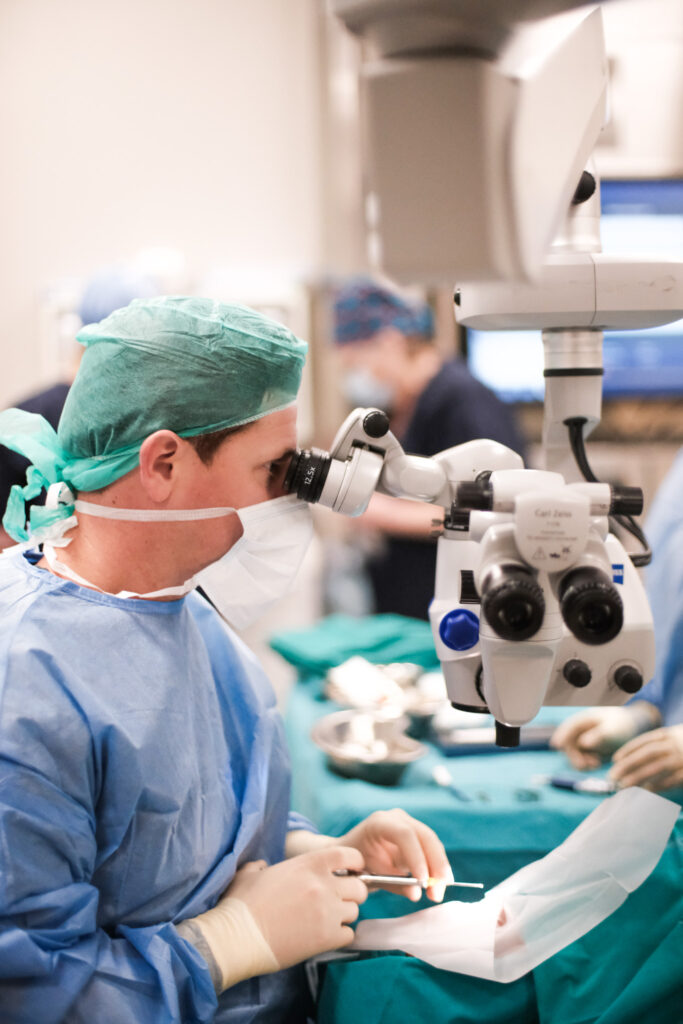
But if the growth starts to impact your eyesight or you get persistent pain, more advanced treatments can be considered. The most common option for treatment of a papilloma is surgical removal, which is often a simple procedure thanks to modern techniques that shorten the recovery process and lessen recurrence.
The important lesson learned from this? The sooner the screening, the better. Waiting out symptoms may further reduce your options later, so seeking timely pterygium treatment is crucial.
Some Signs That You May Need Pterygium Treatment
Knowing early symptoms can help you take action before the condition becomes more serious.
Some common indicators include:
- See a noticeable growth of the eye with redness or irritation
2. These are only mild signs, but they can advance over time. Consulting with a professional ensures that the correct pterygium treatment is applied in itsearly stages.
Common Problems and the Correct Solution
One of the greatest difficulties that people experience is downplaying the severity of their symptoms. The causes of those maladies often don’t disappear, and people try to wait out discomfort before seeking a proper diagnosis.
A separate challenge is the continuity of eye care following initial therapy. Follow-up appointments are easily forgotten, and preventive habits are overlooked as soon as the symptoms go away. But the key to long-term success is remaining committed to a care routine.
Structured pterygium treatment plans for patients with more advanced conditions ensure that every piece of the problem is treated. By doing so, they can minimize the discomfort while improving vision and overall eye health.
Why Modern Eye Care Activities Work Better
There have been some significant advances in eye care over the past few years, allowing patients to have access to safer and more effective options. Treatments today are meant to be targeted, minimally invasive, and individualized.
Here’s what sets modern approaches apart:
Minimally Invasive Surgical Techniques Encourage Quicker Recovery and Reduced Recurrence Rates
Despite these advances, ongoing eye care is essential for sustaining outcomes. Being seen regularly allows doctors to identify changes in your health early and treat problems before they escalate.
Another advantage is patient awareness. Being aware of how environmental factors and daily habits do or don’t impact your eyes empowers you to make better choices. These are small steps that all add to long-term success, from wearing protective eyewear in blue-light settings to monitoring the amount of screen time. You’ll want a wary eye on your kid’s comfort level when using screens now more than ever.
That makes selecting the best pterygium treatment not only a matter of fixing a current problem, but also protecting your eyesight in the long run.
Establishing a Daily Routine that Nurtures Your Eye Health
You don’t need to make radical changes to keep your eyes healthy. Instead, it’s about simple, consistent habits that preserve your vision over the long run.
One good way to protect yourself is through UV-protective sunglasses, and their use can help in reducing exposure to harmful rays significantly. Taking breaks throughout screen time prevents strain and promotes overall eye comfort.
Regular check-ups are equally important. This way, if the pterygium does come back, it is usually detected early so that treatment can be provided quickly. Doing so makes a huge difference in sustaining results long-term.
When you integrate good eye care practices into your routine, like any other habit, it helps to form a great groundwork for improving your eyesight. “It’s not only about treatment, but it’s also prevention and awareness.
By paying attention to your eye health and consulting with a professional, when necessary, you will be able to see well for years.

Conclusion
Eye health is often overlooked until something doesn’t feel quite right, but conditions like pterygium are a great reminder of the difference that early action can make. Having a good understanding of your pterygium treatment options helps you solve problems before they become more severe.
Thanks to modern medicine and regular eye care, this condition is now more manageable than ever. From detection to treatment, each aspect plays a role in improving outcomes.
If you’ve seen changes in your eyes or have had chronic discomfort, it’s probably time to consult a pro. Taking action today is a lot better than trying to deal with potential headaches tomorrow. Your eyesight should be clear, comfortable, and reliable.