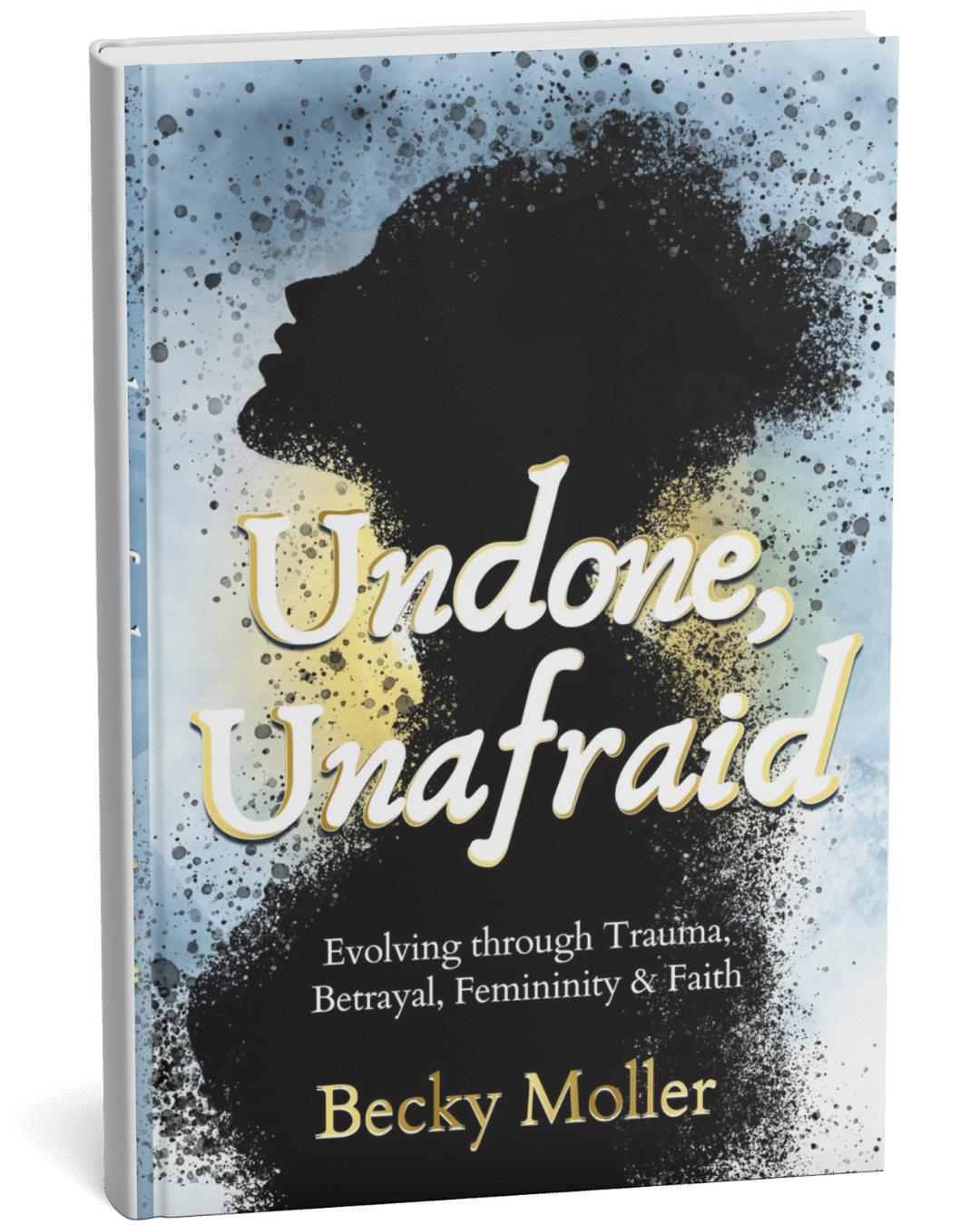
Healing is not only about recovering from physical discomfort but also about restoring emotional balance, mental clarity, and inner strength. Many beginners feel overwhelmed when they start their journey, especially with so much information available. Choosing the right guidance becomes essential, and this is where structured reading can help.
Books offer a steady path for understanding healing in simple steps. They allow readers to move at their own pace, reflect deeply, and apply techniques in real life. Whether someone is dealing with stress, emotional wounds, or seeking personal growth, beginner-friendly healing literature can be a powerful companion.
Recommended Books On Healing For Beginners: A Gentle Starting Point
When people search for books on healing, they are often looking for clarity rather than complexity. Beginner-friendly healing books focus on practical methods, emotional awareness, and mindset transformation instead of overwhelming theory.
Here are some widely recommended and accessible options that help beginners step into the world of healing:
1. You Can Heal Your Life by Louise Hay
This classic is one of the most recommended entry points. It focuses on the connection between thoughts and emotional well-being. The author explains how self-talk influences physical and emotional states.
- Example: If someone constantly believes “I am not good enough,” the book shows how this thought pattern can affect confidence and stress levels. It then offers affirmations to replace it.
- Pro tip: Start each morning by repeating one positive affirmation from the book for 21 days to notice mindset shifts.
2. The Body Keeps the Score by Bessel van der Kolk
This book explores how trauma affects the body and mind. It is science-based yet understandable for beginners who want deeper insight into emotional healing.
- Example: It explains how unresolved trauma can show up as anxiety, sleep issues, or physical tension.
- Pro tip: Take notes while reading and identify which emotional patterns relate to your own experiences for better self-awareness.
3. The Power of Now by Eckhart Tolle
A transformative guide that teaches mindfulness and present-moment awareness. It helps readers detach from overthinking and emotional stress.
- Example: Instead of worrying about past mistakes, the book encourages focusing on breathing and present awareness.
- Pro tip: Practice one page of mindful reading daily instead of rushing through chapters.
Self Healing Books And Their Role In Personal Growth
The category of Self healing books is especially powerful for beginners because it focuses on personal responsibility, emotional awareness, and daily habits that improve well-being. These books do not require medical or psychological background, making them accessible to everyone.
1. Atomic Habits by James Clear
Although not strictly a healing book, it supports emotional and mental recovery through habit building.
- Example: Replacing scrolling on social media with 10 minutes of journaling can reduce anxiety over time.
- Pro tip: Focus on “1% improvement daily” instead of dramatic life changes.
2. Radical Acceptance by Tara Brach
This book teaches how accepting emotions instead of resisting them can lead to healing.
- Example: If someone feels sadness, instead of ignoring it, the book suggests observing it without judgment.
- Pro tip: Use the RAIN technique (Recognize, Allow, Investigate, Nurture) during emotional stress.
3. The Four Agreements by Don Miguel Ruiz
A simple yet powerful guide based on four principles that improve emotional freedom.
- Example: “Don’t take anything personally” helps reduce emotional reactions in daily conflicts.
- Pro tip: Focus on practicing one agreement per week for deeper understanding.
How Beginners Can Choose The Right Healing Book
Choosing the right healing book depends on personal needs and emotional readiness. Beginners should avoid overloading themselves with too many complex theories at once.
- If emotional pain or trauma is the focus, start with psychology-based books.
- If stress and anxiety are the issue, mindfulness books work better.
- If habit change is the goal, behavioral books are more effective.
A balanced approach is to read one book at a time and reflect on its lessons instead of rushing through multiple titles.
Practical Ways To Apply Healing Knowledge
Reading alone is not enough. Healing happens when knowledge is applied in daily life.
- Start a simple journal to track emotional changes.
- Practice breathing exercises for 5 minutes daily.
- Replace negative thoughts with written affirmations.
- Take short breaks from digital distractions to reset the mind.
These small actions gradually create long-lasting emotional balance.
Conclusion
Healing is a gradual process that requires patience, awareness, and consistent effort. For beginners, the right books act as gentle teachers that guide them toward emotional clarity and mental peace. Whether someone chooses science-based psychology or mindfulness-focused teachings, the journey becomes easier with structured reading.
Both books on healing and Self healing books provide valuable insights that help individuals reconnect with themselves. By applying lessons step by step, readers can build a healthier mindset and a more balanced life.